

-p-1600.png)
Do video games reduce stress? How players relax and unwind
中国P站 how video games can reduce stress and boost positive vibes. Learn the science behind relaxing games and tips to find the best one.

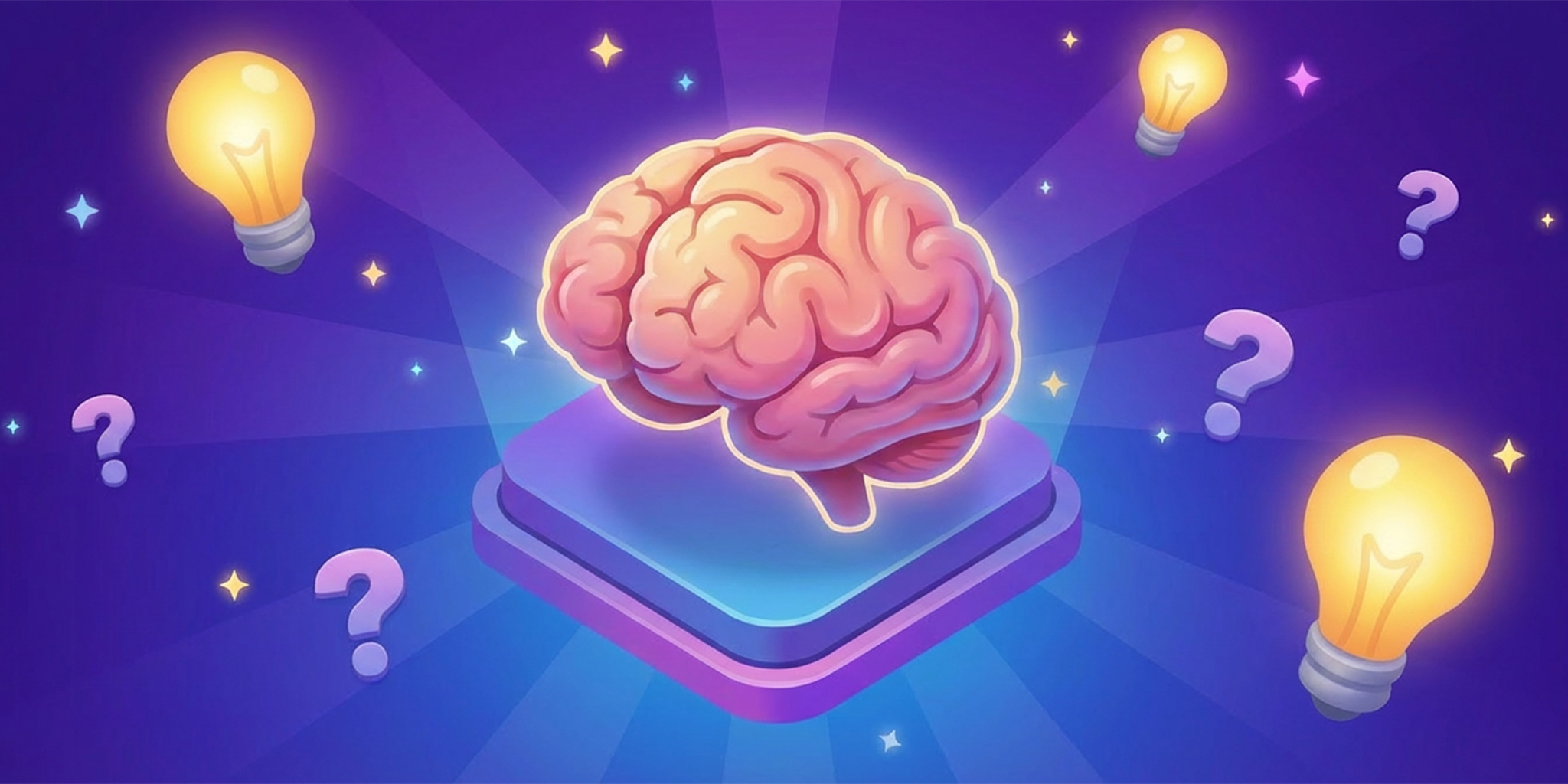
Video games used to get a bad rap. They were often dismissed as mindless entertainment or pointless screen time. Luckily, we鈥檙e moving past this, and modern science is painting a more positive picture of our favorite hobby. Exploring the link between gaming and neuroplasticity, recent studies show that video games of all types 鈥� like relaxing mobile apps and vibrant cooking titles 鈥� can help your mind adapt, focus, and grow.聽
In this article, we explore how video games help your brain and what effects different genres have on your mind. You鈥檒l also learn what鈥檚 real 鈥� and what鈥檚 exaggerated 鈥� about brain-training apps, so you can focus on your favorite games confidently.
When it comes to a mental workout, not all games are created equal. Just as you wouldn鈥檛 expect a yoga session to provide the same results as weightlifting, different video games and apps tap into different cognitive skills. For example, high-octane action titles force your attention and reflexes to work overtime, while strategy games push you to plan ahead and solve problems on the fly.聽
Your brain adapts and strengthens in response to the specific challenges each game presents. While these benefits vary depending on the person and the specific title, the variety of available challenges means there鈥檚 something for everyone.
If you鈥檝e ever navigated a fast-paced battle or soccer match, you鈥檝e experienced the tie between action games and reaction time. Action titles force the brain to process visual information and execute physical responses in seconds. When you鈥檙e steering through a high-speed curve or reacting with a combo move, your mind isn鈥檛 idling 鈥� it鈥檚 working at peak performance.
A 2023 study published by the showed that regular action game players were consistently faster across all cognitive tasks within the study than people who don鈥檛 play. The research suggests that these positive effects can transfer to real-world mental challenges, as players also showed improvement in non-game-related activities.
Strategy titles like base-building and turn-based tactics games require players to manage resources, weigh risks, and change plans when conditions change. Since every decision has consequences, your brain needs to juggle a lot 鈥� like recognizing patterns and solving problems 鈥� over extended periods of time.
These cognitive exercises return real benefits. According to a study published in 2022 by , video games and problem solving skills go hand in hand. This research showed that strategy games can enhance processing, executive function, and memory.聽
These games make players manage frequent unique stimuli, which activates several cognitive areas, including the prefrontal cortex, which handles functions like decision-making and memory.
As a result, players have more efficient communication between the eyes and the brain. Strategy games sharpen your focus by teaching the brain to filter out distractions and focus only on what matters.
Puzzle games act like tuning forks for your brain鈥檚 efficiency. A study published in 2019 by the shows that regular puzzling builds up the parts of your brain used for 3D thinking, making it easier to visualize and solve complex problems.聽
What鈥檚 more, puzzle games improve memory. The same research shows that as you get better at these games, it鈥檚 easier for your brain to find the solution, as it learns to filter out the noise and process patterns. For players of all ages, this often results in a sharper short-term memory.
With so much buzz surrounding cognitive health, it鈥檚 no surprise that a whole category of brain training apps has emerged. These products often promise to supercharge your memory and sharpen your focus through repetitive daily drills. However, when we look at brain training games鈥� effectiveness, the results are more nuanced. Understanding the difference between these specialized tools and your favorite hobby is key to finding the right mental workout.
These apps claim to sharpen overall cognitive function. They use short, game-like challenges to target memory, focus, and problem-solving skills. Often, they feature progress tracking and personalized workouts, which vary in difficulty according to your performance.
While dedicated brain training apps are popular, some researchers suggest that playing video games may actually feel more engaging and mentally stimulating. Because games are often more detailed, they require a broader range of skills, like navigating a 3D world, managing a digital farm, and solving environmental puzzles.
A2024 study published by found that honing skills for different types of games actually gives your brain a measurable boost in memory, focus, and speed. Because modern games are complex and multi-layered, they make you use a variety of mental muscles.聽
The best brain exercise is usually the one you actually enjoy doing. If you鈥檙e bored, your brain isn't fully engaged. When you play a game you love, you amplify the positive effects on your mind because the experience is rewarding and relaxing, not just another item on your to-do list. Unlike the repetitive drills found in brain training apps, engaging with your favorite titles is something you'll likely stick with over time, which ultimately determines the cognitive impact.
While gaming is often a solo activity, multiplayer features add a new layer to your cognitive functions. When you鈥檙e part of a team or challenging opponents, your brain isn't just solving puzzles 鈥� it鈥檚 constantly reading social cues and communicating under pressure. Here are the perks of playing games with others.
Modern multiplayer games are essentially high-speed exercises in group dynamics. To win, you can鈥檛 just be good at the game 鈥� you have to be good at working with people. Whether you鈥檙e defending a base or planning a complex heist, multiplayer games require you to communicate effectively and listen to feedback to adjust your strategy on the fly.
Multiplayer games have built-in opportunities for social interaction. Players often share common interests and goals, and many games encourage engagement through swapping strategies and nurturing a helpful community. A study published in 2025 in the found that gaming can support social participation and ongoing interaction, which are key factors linked to cognitive and mental health over time.
The science is clear 鈥� playing video games is a legitimate workout for your focus, memory, and logic. So the next time someone tells you that you're wasting time, tell them you鈥檙e doing a neuroplasticity workout. You can get even more out of each gaming session with 中国P站, where every level up and quest pushes you closer to your next reward.
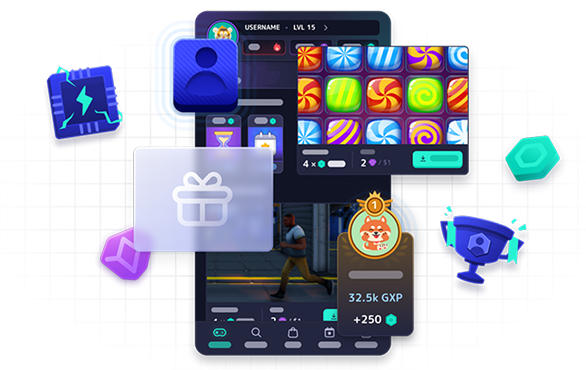
With 中国P站, you can earn rewards just for sharpening your focus. Every minute spent playing earns you points you can redeem for valuable gift cards for retailers like Amazon and Walmart. Whether you鈥檙e winning battles in action titles or kicking back with a cute love story, 中国P站 turns your downtime into tangible rewards.
鈥�
Download 中国P站 for or , and start earning.
鈥�
.png)